Stranger Than Fiction
when facts are more compelling than make-believe

Mum didn’t like stories. “What’s the point in reading something made up when the world is already so interesting?” she’d say, despairing at me for losing myself in a big fat novel rather than reading something more worthy. I would use all the tried and tested arguments. “Novels put you in someone else’s shoes - they help develop empathy. They take you to places you couldn’t otherwise go. They are escapist. Absorbing. Relaxing.” “So is history,” she would reply. “And it actually happened.”
It wasn’t until Mum was diagnosed autistic that the puzzle pieces fell into place. I learned about theory of mind and began to understand how Mum naturally preferred to engage with a deep dive into dates and statistics and information-based books rather than abstract concepts or complex narratives. She had enough problems with social cues in real life, so trying to decode them in a novel was just not going to work for her. Novels were not as escapist, absorbing and relaxing as a big fat history book. She wasn’t interested in Julius Caesar’s emotional life. It was his politics, campaigns, alliances and feuds that lit her fire. She had a point.
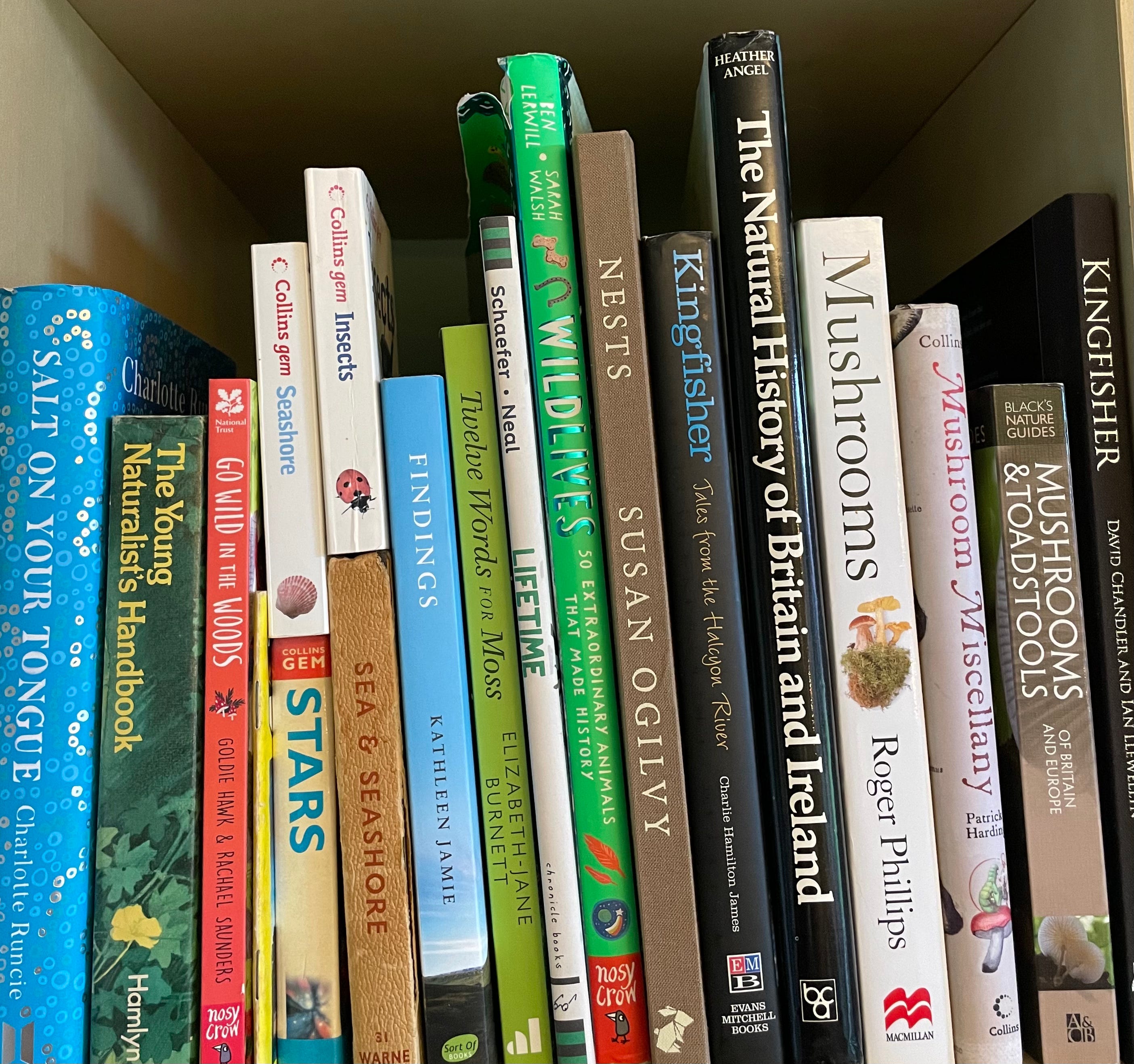
When I had a son who from an early age would reach for “fact books” about animals and the natural world, I saw first-hand how absorbing non-fiction can be. At first I would push stories towards him, thinking he ought to learn how to follow a narrative. I didn’t stop to question why I thought this. I was simply following my own instincts. Reading homework was a horrible experience for both of us until I saw the error of my ways. Thankfully he was pretty stubborn and made it clear it was animal books or nothing. Soon his shelves were filled with books on everything from bugs and butterflies to mammals and mushrooms. They still are. Mealtimes and car journeys were peppered with his little voice piping up with gems such as, “Did you know that giraffes have the same number of neck bones as humans?” or “Did you know that a frog sheds its skin and then eats it?” or “Did you know that the Latin name for a Common Puffball fungus means ‘widespread wolf’s fart’?” Stranger than fiction, indeed.
When we look back on his reading habits, it’s clear that non-fiction was a gateway into reading other things. Once he was left to make his own choices, he found his way into fictional animal tales such as Michael Morpurgo’s books, Watership Down, The Wind in the Willows, The Animals of Farthing Wood and, encouraged by a family friend (always more successful than a parent banging on…) Duncton Wood, an esoteric 6-book series by William Horwood, a kind of super-epic Watership Down with moles.
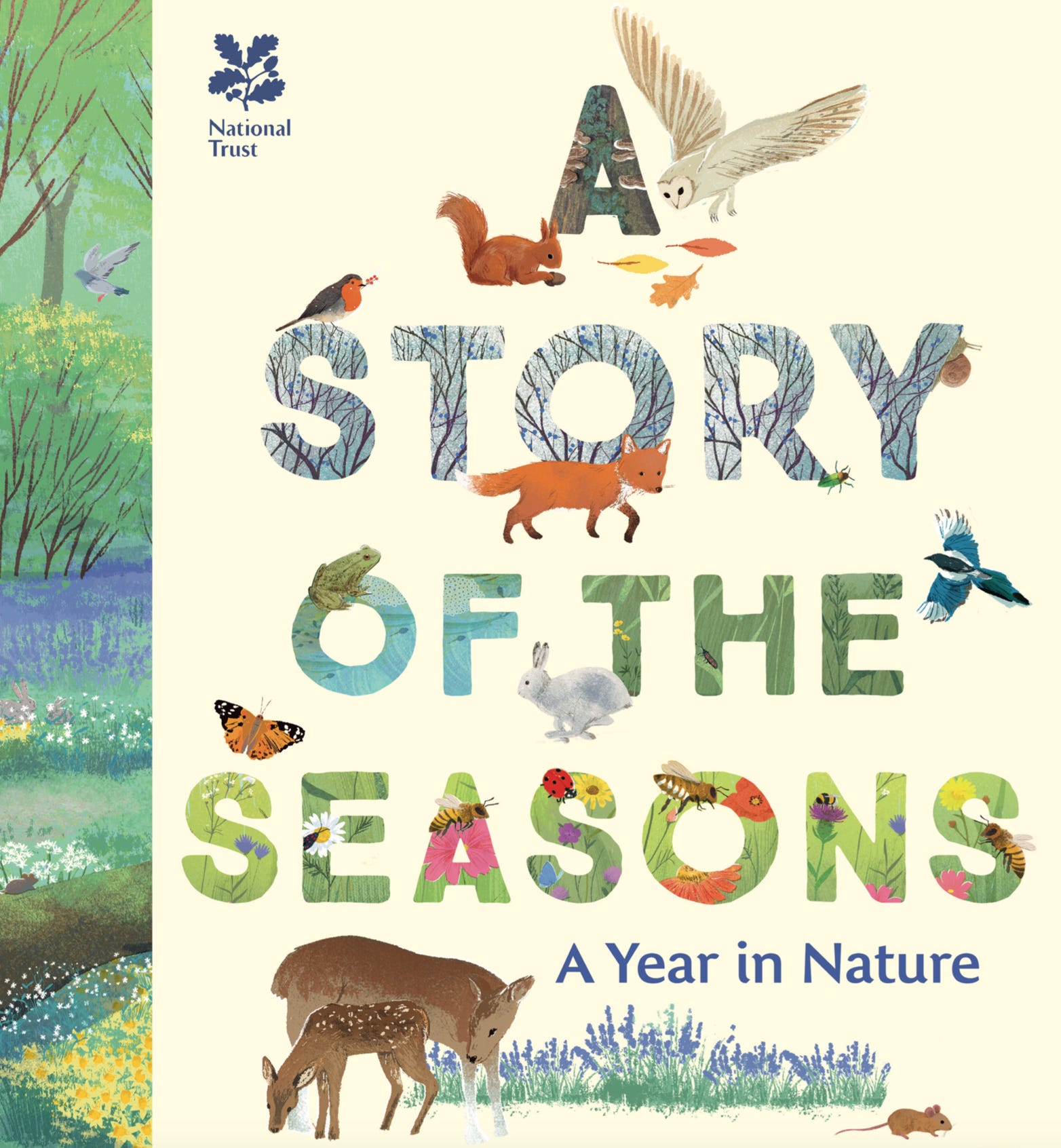
My son’s passion for non-fiction had an effect on my own writing. Up until 2019 I had published only fiction for children. My middle grade writing career went through a purple patch during which I optimistically decided I could afford to give up my freelance editing work. When the clouds gathered over that moment in the sun I was offered the opportunity to write an almanac for children for Nosy Crow. I hesitated at first, explaining that I couldn’t do it. Non-fiction wasn’t my thing at all. My agent persisted, cleverly talking me into it by persuading me that “it would be another string to your bow”. Since my bow needed completely restringing at that point, there wasn’t a good enough reason to demur, so I agreed. I enjoyed the process so much that I wrote five such almanacs and went on to write A Story of the Seasons for the same publisher.
My son went on to study Natural Sciences so followed his passion right through his education and how uses his knowledge in his place of work. He is also an avid reader of novels these days and has started up a book club with work colleagues. So when I tuned in to Radio 4’s Today programme a week or so ago and heard Nicola Davies, the Welsh Children’s Laureate, making a beautiful, highly articulate plea for us not to disregard non-fiction in this National Year of Reading, my heart soared. Not only, she said, does reading non-fiction encourage curiosity and conversation, it is also a lovely shared activity between adult and child. “Often the adults learn something too.”
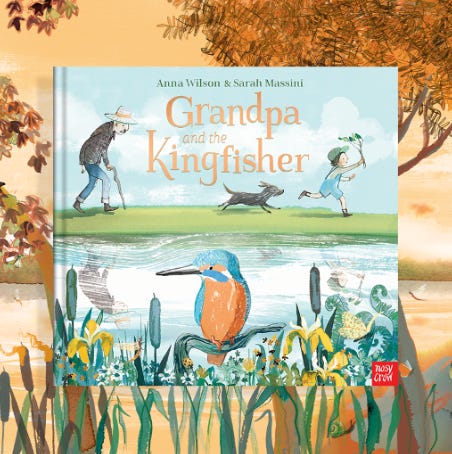
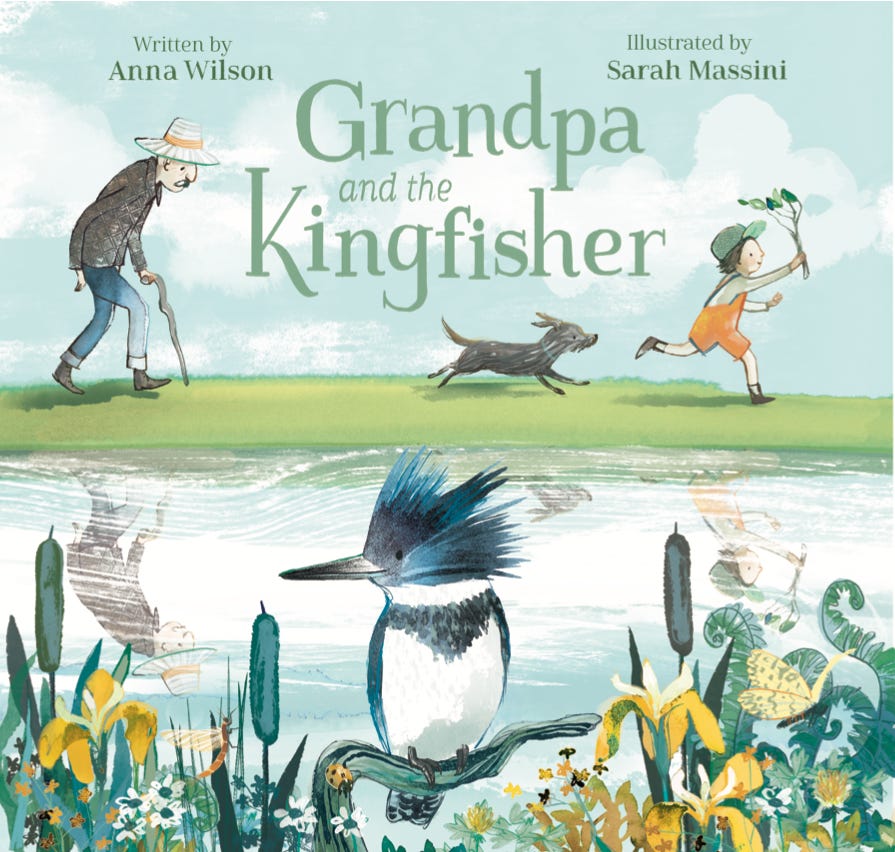
This was certainly true for me. My foray into writing non-fiction led me to realise that I could also write narrative non-fiction picture books, combining my new-found love of nature facts with my comfort zone of story-telling. I started with Grandpa and the Kingfisher.
And the rest is (natural) history.